

30 years of FSD at Aurubis Olen: three decades of expertise, innovation and teamwork
Olen | Thursday, October 29, 2026
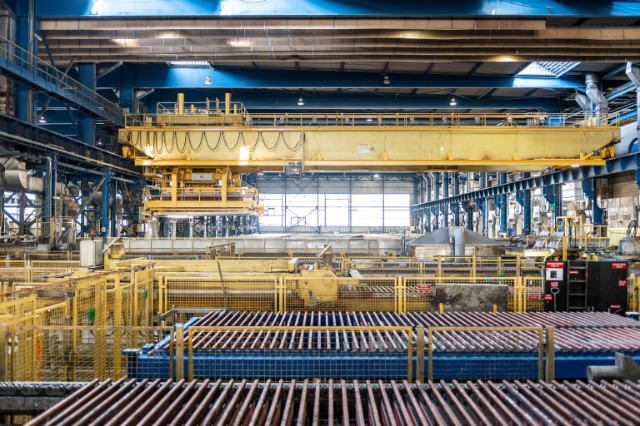
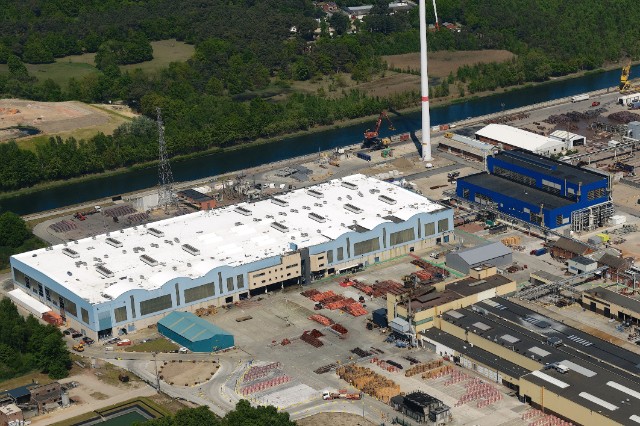
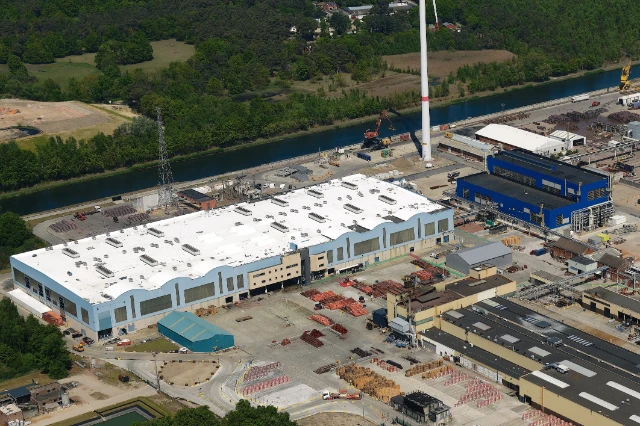
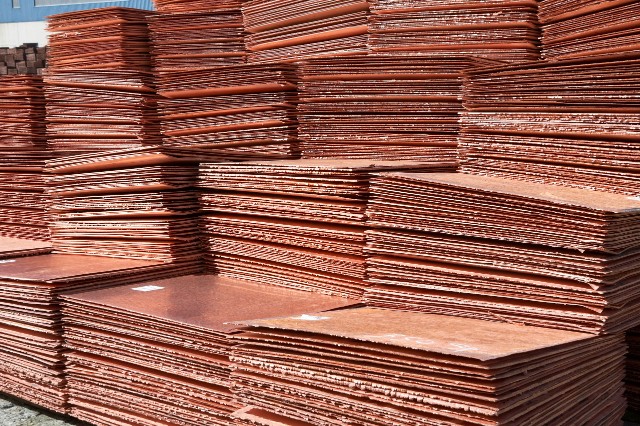
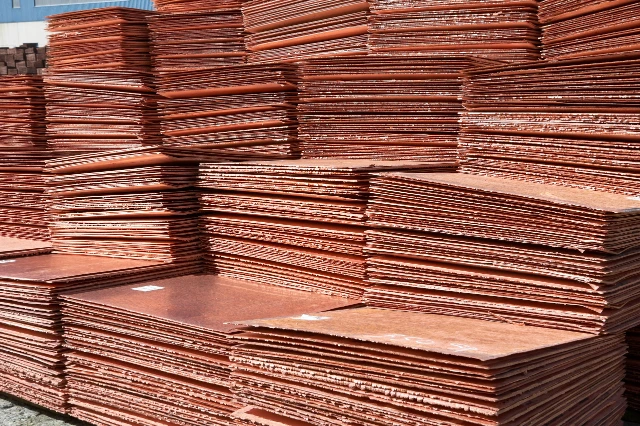
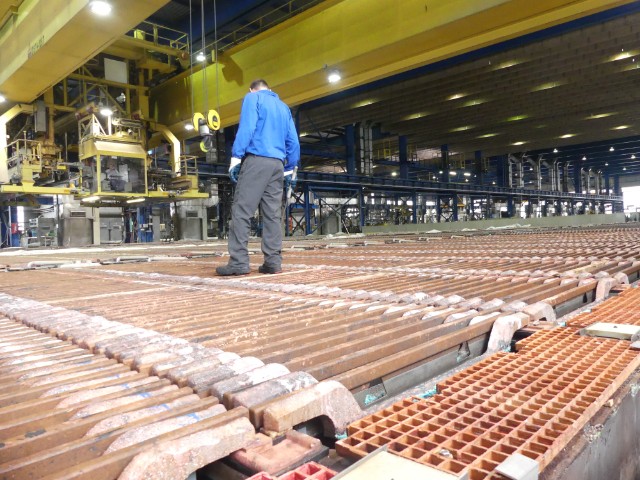
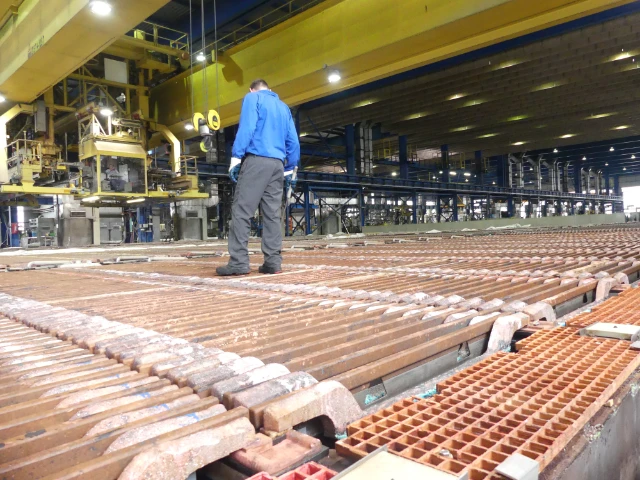
Thirty years ago, FSD was launched at Aurubis Olen. The electrolysis department is also known as the refinery or tankhouse. An interesting fact: FSD stands for Full Size Deposit, referring to the deposition of cathode copper across the entire surface of the blank.
Since its start-up, the department has undergone significant developments in terms of technology, safety and ways of working. At the same time, the metallurgical expertise and flexibility of the team have remained key strengths. Kristof Ramharter (Operations Manager Tankhouse & BOB), Kevin Horemans (Production Coordinator FSD) and Bavo Bogaerts (Management Trainee FSD) look back on three decades of FSD and share their views on the future.
For Kristof, this anniversary holds additional significance. His father helped establish FSD, while today he plays a leading role in managing the department.
- This year, we celebrate 30 years of FSD at Aurubis Olen. What does this milestone mean to you personally?
Kristof: "For me, this milestone has a personal dimension. My father was the department manager when FSD was established. Thirty years later, being able to take on a role within the same department is truly special. It is something I am very proud of."
Kevin: "For me, it is special to once again work under the leadership of a Ramharter. That makes this milestone personal as well."
- We recently celebrated 30 years of FSD during the Aurubis summer bar event. How did you experience that?
Kristof: "It was great to celebrate this milestone together with our colleagues. In our day-to-day operations, we are mainly focused on what lies ahead, which sometimes makes us forget to reflect on what we have achieved together. The summer bar gave us that opportunity. It was rewarding to look back on 30 years of FSD and see how much expertise, dedication and teamwork have contributed to this success story."
- What did the launch of FSD mean for Aurubis Olen?
Kevin: "FSD represented an important step in the further development of Aurubis Olen as a refining site. It created confidence in the future and opened up new opportunities for both our colleagues and our processes. I joined FSD shortly after the department's expansion, meaning I have been part of this story for almost 30 years and have witnessed its evolution first-hand."
- What would surprise someone who worked at FSD thirty years ago if they visited the department today?
Kevin: "A tremendous amount has changed in terms of structure and safety. Working conditions and habits were very different in the early years. During shift changes, for example, colleagues moved between cathode bundles and operating forklifts without the clearly defined pedestrian and traffic routes we have today. Nowadays, clear markings, designated safe zones and well-established procedures provide much more structure on the shop floor. Safety is an integral part of our daily operations."
- Which changes have had the greatest impact on FSD's operations?
Kevin: "Without a doubt, safety has been one of the most important developments. A good example is the introduction of LOTO (Lockout-Tagout), which ensures that installations are safely shut down and secured before work begins. Personal protective equipment and clear safety procedures also play a vital role. In addition, the department's technical operations have evolved significantly. S74 electrowinning was replaced by electrolysis, and both work organisation and process management have continued to develop over the years."
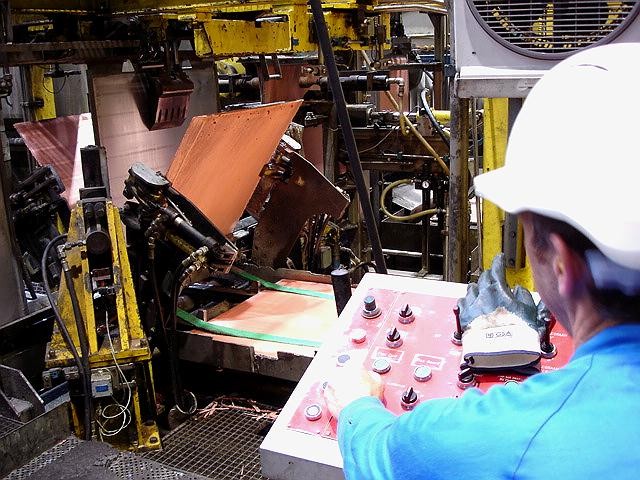
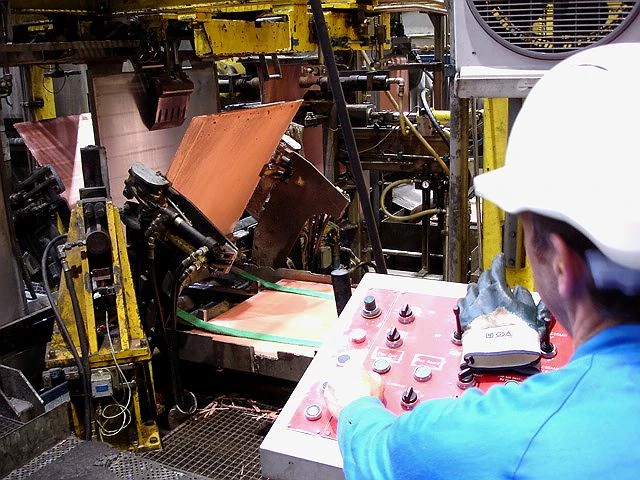
Kristof: "FSD has also undergone a major technological transformation. In 2016, the sorting robot was introduced. Before that, sorting was performed manually, which required considerable physical effort. The sorting robot improved safety while also making the process more efficient."
- How has the approach to safety evolved over the past thirty years?
Kevin: "Safety has become increasingly prominent in our daily operations. One important example is LOTO, which contributes to the safe execution of maintenance work on installations. Our department was actively involved in rolling out the LOTO system. The approach was later adopted by other departments as well. In this way, we strengthen our safety culture and work according to shared principles."
Kristof: "Safety is deeply embedded in Aurubis' DNA and significant efforts have been made over the past three decades to achieve this. We place strong emphasis on Last Minute Risk Analyses (LMRA), carefully assessing all relevant factors before work starts. Clear procedures and a consistent approach across departments play a crucial role in our safety culture."
- What role does the team play when the department faces challenges?
Bavo: "Collaboration between colleagues is essential. Everyone contributes to a complex production process. The team's knowledge, commitment and involvement form the foundation of our daily operations."
Kristof: "A good example is the start-up of BOB (Bleed Olen Beerse), a department closely linked to FSD. FSD colleagues made an important contribution to the project. It required a great deal of willingness and flexibility from the team, particularly to realise the necessary modifications and connections. Thanks in part to their efforts, we are now able to process bleed internally in Olen. It demonstrates how important teamwork is when building successful new initiatives."
- What makes FSD unique within the Aurubis Group?
Kristof: "Our expertise and flexibility enable us to process different types of anodes into high-quality cathodes. This is what distinguishes FSD within the Aurubis Group. We continue to develop our operations to remain flexible, respond to various material streams and seize new opportunities.
In addition, many activities are carried out while production continues as much as possible. During repairs to circulation tanks, for example, we focus on limiting production losses to the greatest extent possible. This requires technical expertise, careful preparation and close collaboration between colleagues."
- What does flexibility mean in practical terms for FSD colleagues?
Bavo: "Flexibility means being open to change and continuously challenging the way we work. Because we process different types of anodes, we regularly adapt our approach to specific circumstances. This requires process knowledge, an open mindset and a willingness to explore new solutions."
Kevin: "What makes me especially proud is the flexibility within the team. Whenever a challenge arises, colleagues are ready to work together towards a solution. That willingness to help one another truly makes a difference."
- Which moment or project will you never forget?
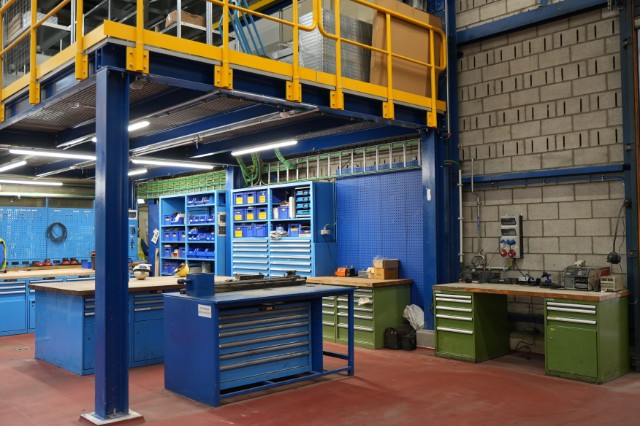
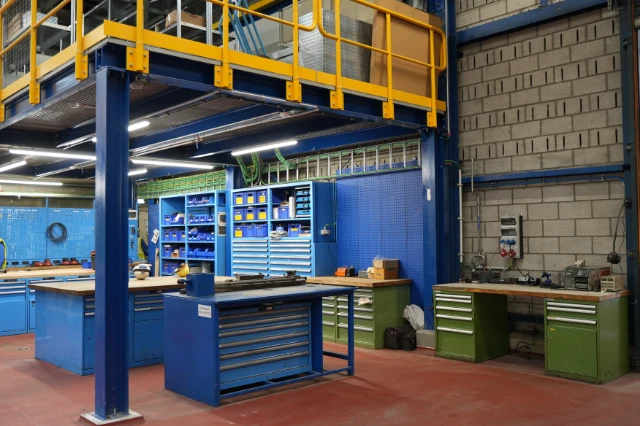
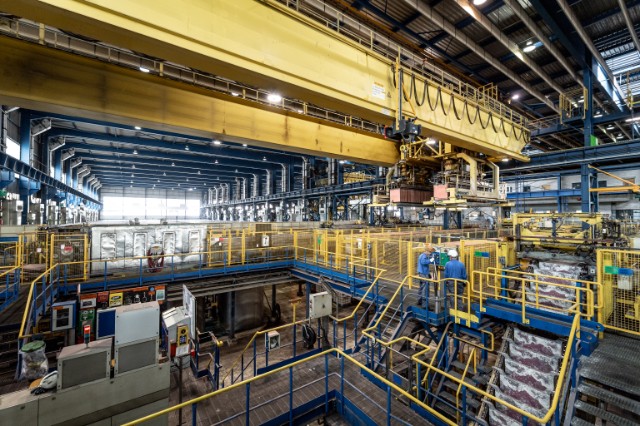
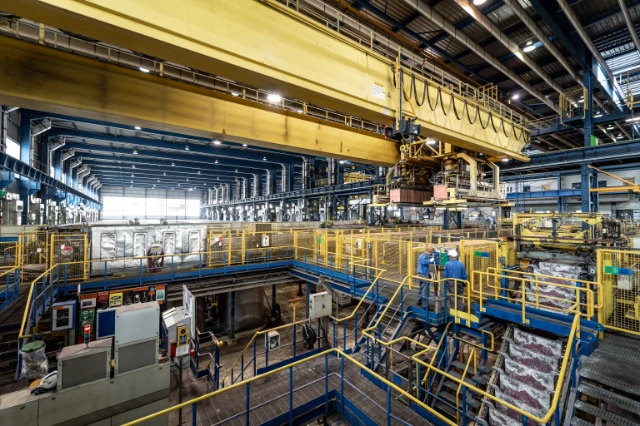
Kristof: "The opening of the renovated FOG FSD-BOB workshop in 2024. The facility was expanded with two new halls and a modernised workshop, featuring a clear layout and adapted workspaces for welders, electricians and other maintenance professionals. New offices, workstations and equipment have also contributed to a more ergonomic and efficient working environment. The project required close cooperation between Maintenance and Engineering. It is rewarding to see how we continue investing in both our operations and our colleagues' working environment."
Bavo: "For me, the continuous pursuit of greater flexibility in our operations stands out the most. We constantly explore ways to improve our processes and expand our capabilities while maintaining the quality of our cathodes. That forward-looking mindset is characteristic of FSD."
- How do you see the future of FSD?
Kristof: "We will continue to focus on providing a safe and healthy working environment. Our flexibility remains a key strength in refining anodes of varying qualities. By exploring new opportunities, we can further develop our capabilities and respond proactively to changes in our processes and installations.
The management and maintenance of our installations will also remain key priorities. By carefully planning maintenance and repair activities alongside production, we continue to ensure reliable operations and maintain the high quality of our cathodes."
- What message would you like to give to the next generation of colleagues?
Bavo: "Keep looking towards the future with an open mind. Dare to think innovatively and embrace challenges. By sharing knowledge, staying critical and working together to find solutions, we can continue evolving FSD for many years to come."
Kristof and Kevin: "We fully agree with that."

Valerie Peeraer
Watertorenstraat 35, 2250 Olen (BE)
| Phone | (+32) 014 24 33 08 |