


40 years of Lead Tin at Aurubis Beerse: proud of our expertise and progress
Beerse | Wednesday, October 14, 2026
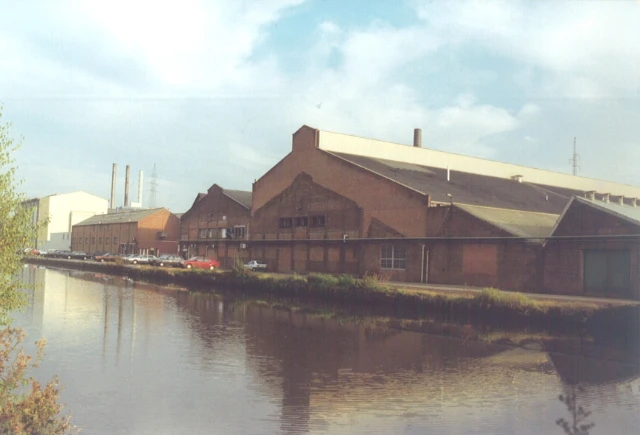
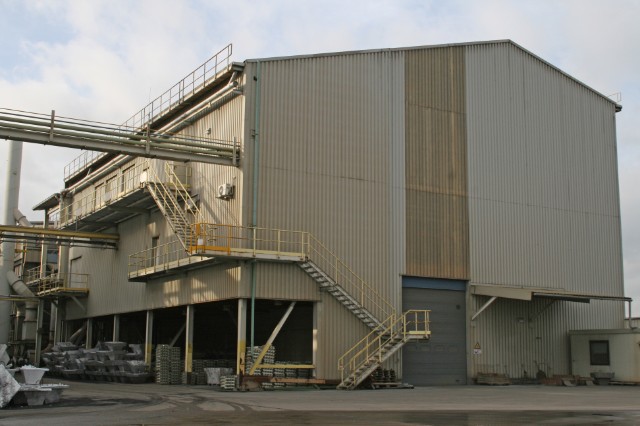
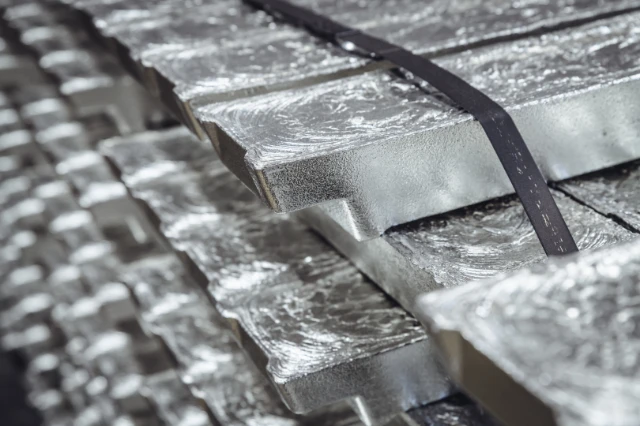
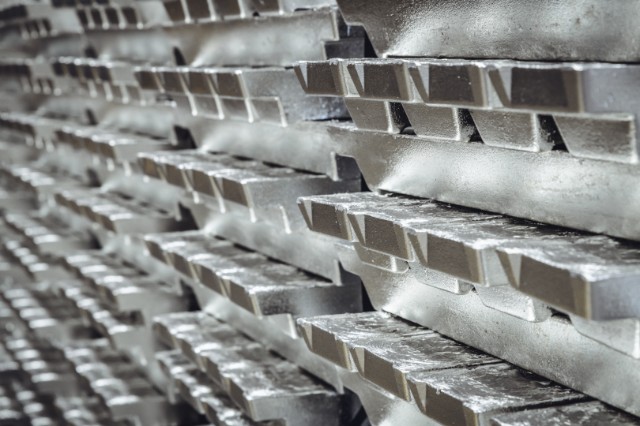
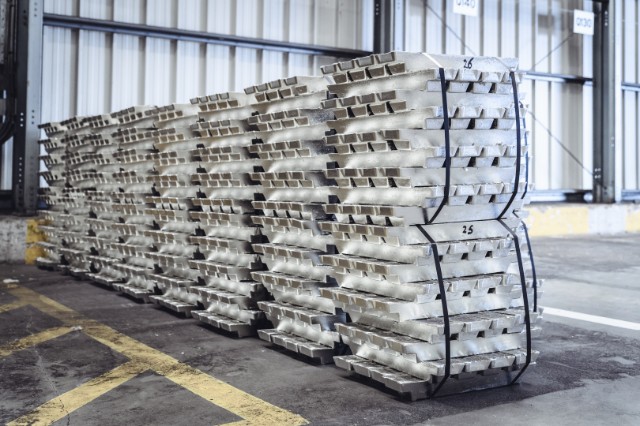
For 40 years, the Lead Tin division has played a key role in the operations of Aurubis Beerse. What once began as a response to the need to separate tin and lead from recycled copper has grown into a specialized division with unique technology and a strong international position. Bert Coletti (Plant Director Aurubis Beerse) and Koen Govaerts (Manager Lead Tin) look back on four decades of technical advancements, investments, and teamwork. At the same time, they look ahead to new opportunities for the future.
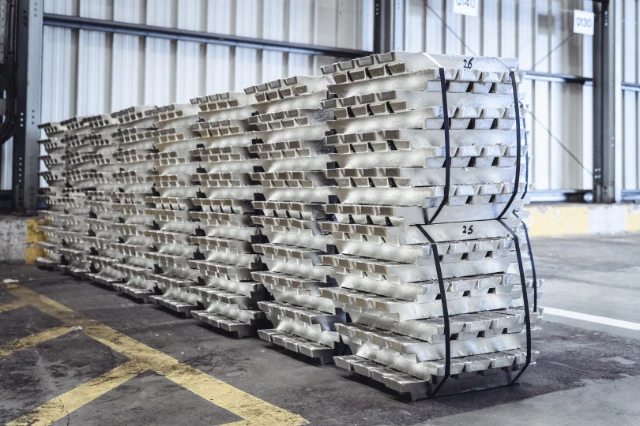
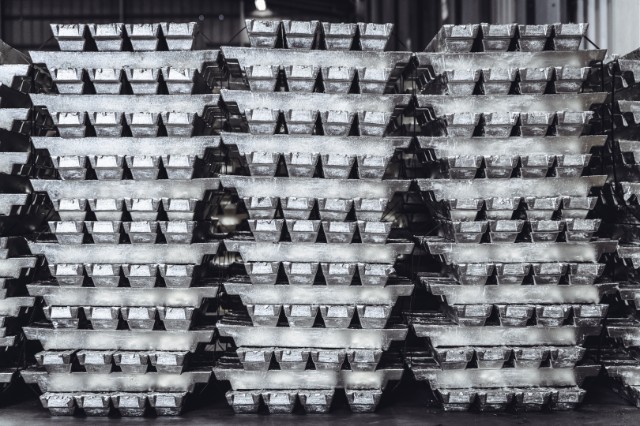
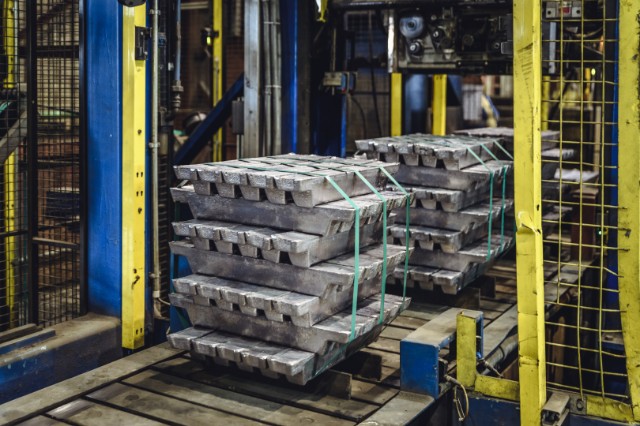
> This year, we celebrate 40 years of Lead Tin at Aurubis Beerse. What does this milestone mean to you?
Koen: “I’ve been working at Aurubis Beerse for almost 30 years myself. When you stop and think about it, you realize that I’ve experienced nearly three quarters of that history. It’s rewarding to see how the department has evolved over the years.”
Bert: “The Lead Tin department is essential to Aurubis. We have the technology and capacity to separate tin and lead and produce high-quality tin. This is what sets us apart within the Group and in the international market. The fact that we have built and continue to develop this expertise here in Beerse is something we can be proud of.”
> What makes the Lead Tin department unique within the Aurubis Group?
Bert: “Our technology and metallurgical expertise are truly exceptional. We process complex materials and recover valuable metals so they can be reused in high-value applications. Over the years, we have continuously improved our proprietary processes. As a result, we can process large volumes while consistently delivering a high-quality product.”
Koen: “Our reliability as a supplier is another important strength. We produce the required volumes while maintaining consistent quality. Thanks to our extensive capacity, we can continue to supply our customers reliably.”
> Which changes have had the greatest impact on the department’s operations?
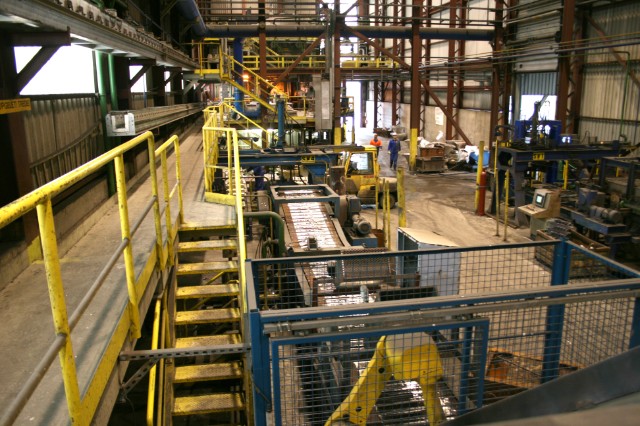
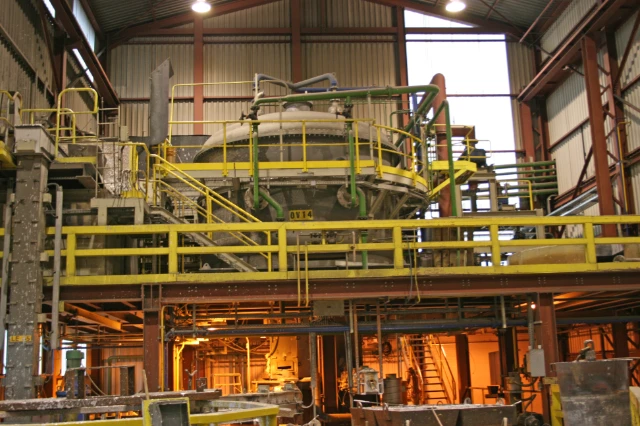
Koen: “One major step was the commissioning of the crystallizers. They allow us to better control the silver content in tin and ensure the desired quality. Preventive maintenance on our vacuum furnaces has also made a significant difference. By thoroughly overhauling installations and keeping spare furnaces available, we improve the continuity of our production.”
Bert: “Process control has also evolved considerably. Today, we manage our operations much more precisely based on measurements and data. This evolution contributes to safer working conditions for our operators. Forty years ago, we relied more heavily on experience and intuition. Thanks to improved process control, we can now make precise adjustments and enhance the stability of our production process.”
> Where do our lead and tin products ultimately end up?
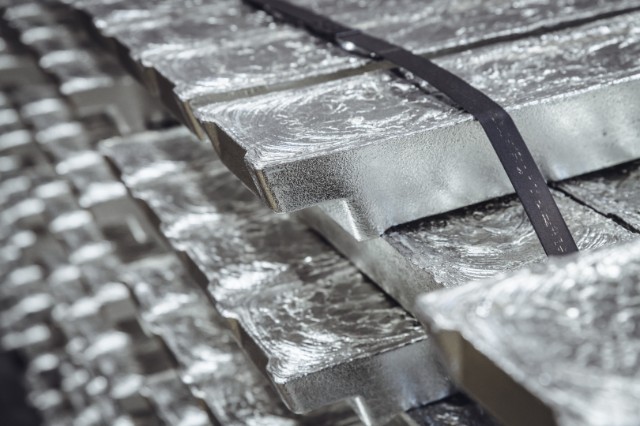
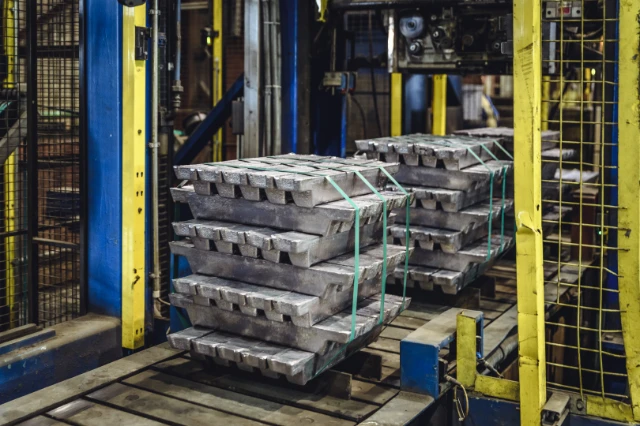
Bert: “Our tin is used, among other things, in food packaging and in the electronics industry. Purity and quality are particularly important in these applications. Because we work with recycled tin, we contribute to the recovery of valuable raw materials from existing products. Traceability and conflict-free sourcing of our raw materials are also important to our customers.”
Koen: “Lead, on the other hand, is used for applications such as sheet lead in the construction industry. Our products therefore serve a wide range of sectors, each with its own specific quality requirements.”
> How has the focus on safety changed over the past 40 years?
Bert: “We have made major progress in safety and health. This includes personal protective equipment, housekeeping standards and a structured approach to incident management. Today, we thoroughly analyze situations and use those insights to continuously strengthen our operations.”
Koen: “Safety is at the heart of everything we do, every single day. We look not only at human behavior but also at technical and organizational improvements. Modifications to installations and ergonomic enhancements enable colleagues to work more safely, comfortably and efficiently. The fact that one of our three shifts has now gone seven years without a lost-time accident is something we are truly proud of.”
> What role do colleagues play in the department's success?
Koen: “The expertise we have today is the result of 40 years of collaboration, continuous improvement and knowledge transfer between generations of colleagues. Teams such as Engineering have adapted installations and refined processes to improve product quality. Together, we continue to build on that knowledge.”
Bert: “There is a strong team spirit here. Colleagues support one another and work closely together to achieve our goals. They are also actively involved in monitoring and optimizing the process. They think proactively and make an important contribution to maintaining a stable and efficient production process.”
> How do you see the future of the Lead Tin department?
Bert: “The future looks promising. We are currently working on a project involving new furnace technologies that may also enable us to process other critical metals. This will increase our flexibility and open up new opportunities. In doing so, we combine new technology with the knowledge and experience we have built up here in Beerse.
The amount of electronics and other materials being recycled continues to grow. As a result, the importance of recovering valuable metals such as tin is increasing as well. With our expertise, we can continue to play an important role in this field.”
> What do you hope colleagues will say about the department 40 years from now?
Koen: “Above all, I hope future generations will look back on their work with the same sense of pride that we feel today.”
Bert: “I hope we will have continued to build on the strong foundation of the past 40 years and further strengthened our performance in terms of safety, health, quality and reliability. If we keep investing in these areas together, we will create a solid foundation for the next 40 years.”